

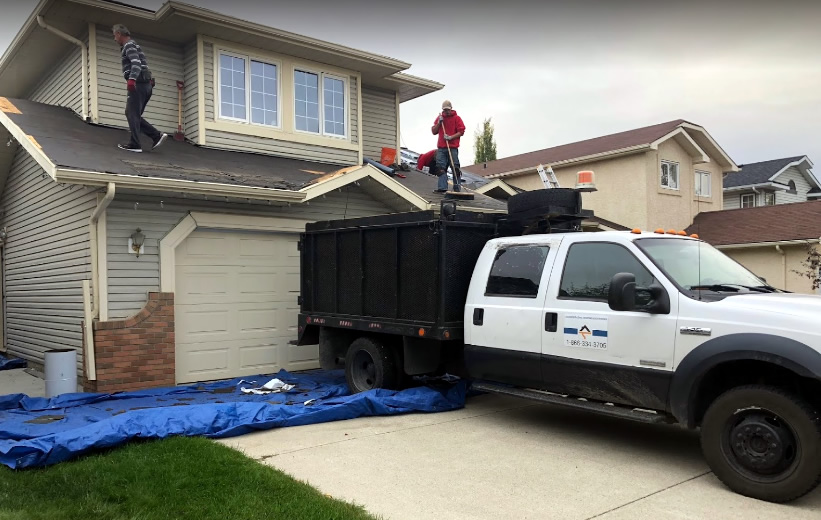
Choosing a roofing professional is a major decision for any homeowner. A roof protects the structure, insulation, belongings, and people inside the home. When the work involves a full replacement, installation quality can affect durability, energy performance, moisture control, and long-term maintenance costs. Hiring a roofing contractor should be able to explain the existing roof’s condition, recommend suitable materials, provide a detailed written scope, discuss warranties, and answer questions about installation practices. For homeowners researching roofing professionals, it provides residential roofing services across communities including Calgary, Edmonton, Winnipeg, and other areas.
Table of Contents
- Why Asking Questions Matters Before Roofing Work Begins
- 1. How Much Experience Do You Have With Roofing Projects?
- 2. Are You Licensed and Properly Insured?
- 3. What Roofing Materials Do You Recommend and Why?
- 4. Can You Provide References or Examples of Previous Work?
- 5. Do You Offer Detailed Written Estimates?
- 6. What Warranty Coverage Do You Provide?
- 7. How Will You Handle Weather Delays and Unexpected Issues?
- 8. Who Will Complete the Roofing Work?
- 9. What Makes Your Roofing Approach Different?
- Signs You May Need a Professional Roof Evaluation
- How to Compare Roofing Contractors More Effectively
- Conclusion
Why Asking Questions Matters Before Roofing Work Begins
Roofing isn’t simply about placing new shingles on a house. A complete roofing system can include shingles, underlayment, ice-and-water protection, flashing, ventilation, drip edges, decking, and other components. This is especially important in Canada, where roof assemblies must handle seasonal temperature changes, snow, ice, wind, and moisture.
Asking the right questions also helps homeowners spot vague estimates, unclear warranties, unrealistic timelines, or poorly explained recommendations.
1. How Much Experience Do You Have With Roofing Projects?
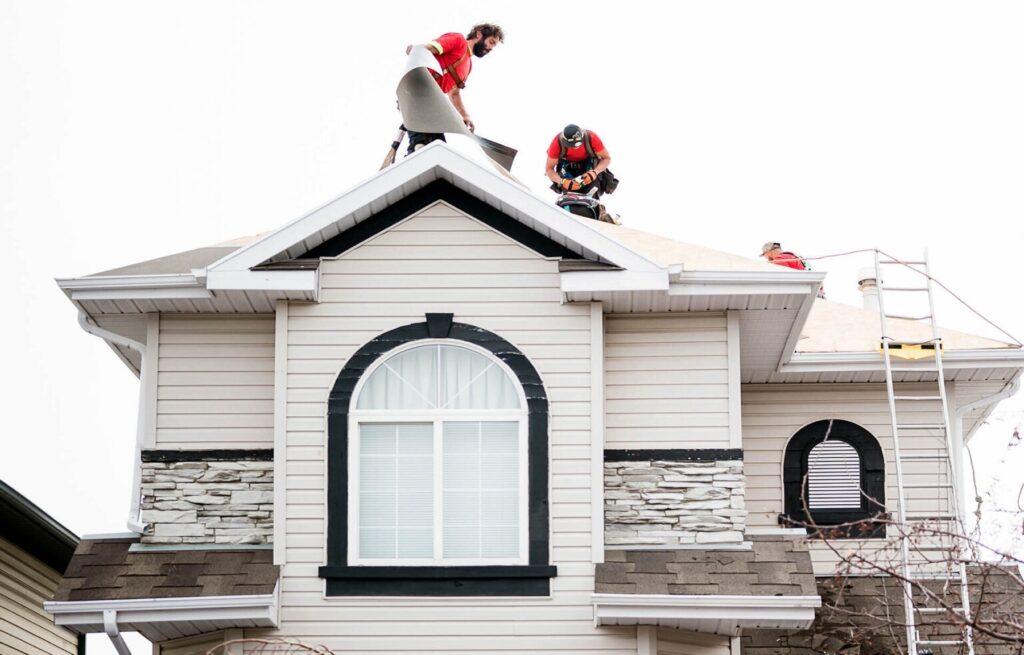
Experience is one of the first factors to consider when hiring a roofing contractor. Roofing systems vary depending on climate, building design, materials, and regional requirements. For homeowners seeking professional roofing solutions, Advanced Level Roofing provides residential services backed by industry experience and a quality-focused approach.
A knowledgeable contractor should be able to explain:
- Previous residential roofing projects
- Recommended materials for your climate
- Common roofing problems and solutions
- Expected project timelines
Choosing an experienced professional can reduce installation issues and help protect your investment.
2. Are You Licensed and Properly Insured?
Before hiring a roofing professional, confirm they have the appropriate licensing and insurance coverage. Insurance protects homeowners from potential liabilities during the project, including accidental property damage or worker injuries.
A reputable residential roofing contractor should be able to provide proof of:
- Liability insurance
- Workers’ compensation coverage where required
- Required local permits and approvals
Canadian homeowners should also check whether contractors follow provincial regulations and safety requirements. Requirements may differ between provinces such as Alberta. Working with a properly insured contractor provides greater confidence throughout the roofing process.
3. What Roofing Materials Do You Recommend and Why?
Roofing materials affect durability, appearance, maintenance needs, and overall cost. A professional contractor should explain why specific materials suit your home rather than recommending a single option for every property.
Common roofing materials in Canada include:
- Asphalt shingles
- Metal roofing
- Cedar roofing
- Architectural shingles
The right choice depends on factors such as local weather patterns, roof design, budget, and expected lifespan. Before deciding, ask your contractor about material warranties, maintenance requirements, and performance during Canadian winters.
4. Can You Provide References or Examples of Previous Work?
A trustworthy contractor should be comfortable sharing examples of completed projects. Reviewing previous work helps homeowners understand the quality standards they can expect.
Ask for:
- Recent project examples
- Customer testimonials
- Photos of completed roofing installations
- References from previous clients
Feedback from other homeowners can provide insight into communication, reliability, cleanup practices, and overall satisfaction.
5. Do You Offer Detailed Written Estimates?
A clear estimate helps prevent misunderstandings during a roofing project. Before hiring a roofing contractor, request a detailed written quote outlining the scope of work. A detailed estimate allows homeowners to compare services fairly and understand the value being offered.
The estimate should include:
- Material costs
- Labour charges
- Removal and disposal fees
- Expected timeline
- Payment terms
- Warranty details
Avoid contractors who provide vague pricing without explaining what is included.
6. What Warranty Coverage Do You Provide?
Roofing warranties can vary significantly by material and workmanship. Understanding warranty coverage before starting a project can prevent confusion later.
Ask about:
- Manufacturer warranties
- Installation workmanship warranties
- Warranty duration
- Coverage limitations
- Maintenance requirements
A trusted roof replacement company should clearly explain warranty terms and provide documentation after the project is complete. Remember, a longer warranty doesn’t always mean better service. Installation quality and contractor reputation matter just as much.
7. How Will You Handle Weather Delays and Unexpected Issues?
Canadian weather can be unpredictable, especially during roofing seasons. Snow, rain, extreme temperatures, or strong winds may affect project schedules.
Ask your contractor:
- How weather delays are managed
- How materials are protected during installation
- How schedule changes are communicated
Professional communication matters because unexpected issues can arise during roof repairs or replacement projects. A reliable contractor should have a clear process for addressing challenges while keeping homeowners informed.
8. Who Will Complete the Roofing Work?
Understanding who performs the work helps homeowners evaluate quality control. Some companies use their own trained teams, while others rely on subcontractors.
Ask:
- Who will supervise the project?
- Are workers trained and experienced?
- Will the same team complete the entire project?
- Who should you contact with questions?
Knowing who is responsible for the installation creates better accountability and communication throughout the project.
9. What Makes Your Roofing Approach Different?
The final question should focus on service quality, planning, and professionalism. A good contractor should explain their approach to safety, preparation, installation methods, and customer communication. For homeowners considering a roof replacement from Advanced Level Roofing, understanding the company’s process, materials, and commitment to workmanship can help determine whether the service matches their expectations.
Signs You May Need a Professional Roof Evaluation
Many homeowners delay roofing decisions until problems become visible. However, early inspections can help identify issues before they become expensive repairs.
Common signs that your roof may need attention include:
- Missing or damaged shingles
- Water stains on ceilings
- Increased energy bills
- Sagging roof areas
- Excessive granules in gutters
- Visible wear around flashing areas
Scheduling an assessment with a qualified professional can help determine whether repairs are sufficient or if replacement is necessary.
How to Compare Roofing Contractors More Effectively
Once you have answers to all nine questions, compare contractors using the same criteria.
Consider:
- Experience: Does the contractor understand the roof type and climate involved?
- Scope: Are the estimates detailed enough to identify what is included?
- Materials: Are products clearly specified rather than described with vague terms?
- Installation: Who will perform the work, and how is quality monitored?
- Protection: Are insurance, worker coverage, and safety responsibilities clear?
- Warranty: Are product and workmanship warranties explained in writing?
- Communication: Is there a clear point of contact throughout the project?
- Value: Does the price make sense considering materials, installation, warranty, and scope?
The lowest quote is not automatically the best value. A proposal that excludes important components may appear inexpensive at first but create additional costs later.
Frequently Asked Questions
What should I ask a roofing contractor before hiring one?
Ask about licensing, insurance, experience, materials, project scope, installation teams, warranties, timelines, payment terms, and post-installation support. Request key details in writing so you can compare proposals accurately.
How many roofing estimates should I get?
No universal number fits every project, but multiple detailed estimates can help homeowners understand typical scope and pricing for their property. Compare what each proposal includes rather than comparing only the final price.
How do I know whether I need a roof replacement?
Signs can include widespread shingle deterioration, recurring leaks, extensive storm damage, damaged decking, or a roof that has reached the expected service life of its materials. A qualified professional inspection can help determine whether replacement is appropriate.
What is the difference between a roofing contractor and a roof replacement company?
A roof replacement company may focus heavily on complete roof replacement projects, while a broader roofing contractor may offer replacement alongside inspections, repairs, maintenance, storm-related services, or other roofing work.
How important is attic ventilation during a roof replacement?
Proper attic ventilation can help manage heat and moisture within the roof assembly. In cold climates, appropriate ventilation and insulation can also help manage winter moisture and ice dams. The correct approach depends on the home’s existing design and conditions.
Conclusion
Choosing the right roofing professional requires more than comparing prices. The right decision involves understanding qualifications, project scope, materials, installation methods, warranties, communication, and regional weather considerations. The nine questions above provide a practical framework for evaluating contractors and distinguishing a basic quote from a well-defined roofing proposal. Homeowners who ask detailed questions before signing can make more informed decisions and reduce the risk of unexpected costs or misunderstandings.
Ready to discuss your roofing project? Use the map to find Advanced Level Roofing in your area and explore the available residential roofing services.


